Surgery is a decision, not a default
A large share of knee, shoulder and hip pain settles with the right rehabilitation, load management and injections. If that is your situation, I will tell you — and show you the plan.
Orthopaedic, Arthroscopy & Sports Injury Surgeon · Surat
I am Dr. Dipen Ariwala — a fellowship-trained knee, shoulder and hip surgeon in Surat. Bring your scans and you will leave knowing what is actually wrong, what happens if you do nothing, and whether an operation is genuinely the right answer for you.
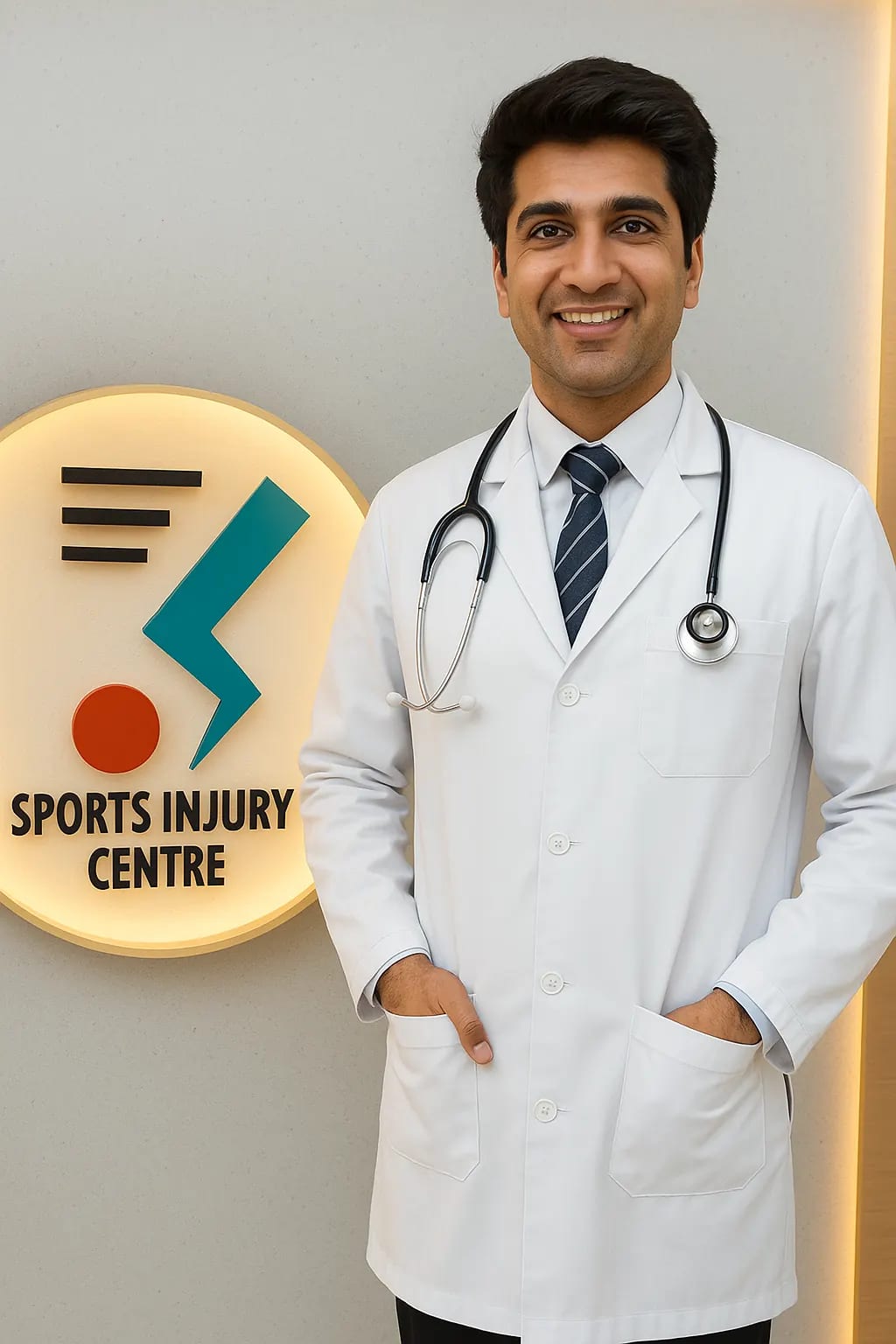
Dr. Dipen Ariwala
MBBS, MS (Ortho), DNB, MNAMS, MRCS
MS Ortho, KEM Mumbai · 4 subspecialty fellowships
Start here
Most people arrive knowing how it feels, not what it is called. Pick the joint, then the sentence that sounds like you.
Ligaments, cartilage, arthritis and replacement.
How this practice works
Most people arrive having been given a diagnosis and a price, and very little else. These are the commitments that shape every consultation here.
A large share of knee, shoulder and hip pain settles with the right rehabilitation, load management and injections. If that is your situation, I will tell you — and show you the plan.
Repairing cartilage, realigning a knee with an osteotomy or fixing a meniscus buys years of native joint. Replacement is excellent surgery, but it is rarely the first answer for a younger patient.
Every consultation includes your imaging on the screen, in plain language, with the actual problem pointed out. Bring your films and reports.
The result of a ligament reconstruction is decided in the twelve weeks afterwards. You will leave with a written, dated rehabilitation plan, not a vague instruction to rest.
What I do
Ordered the way the decisions are actually made: preserve the joint you have wherever possible, and replace it only when that is genuinely the better option.
About the surgeon
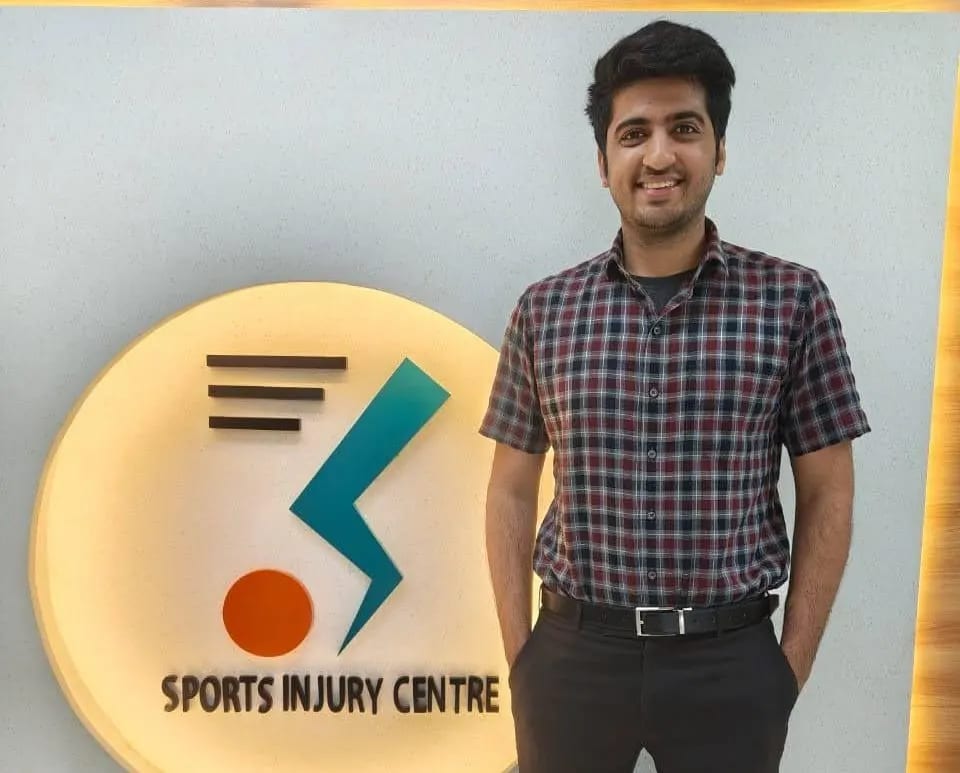
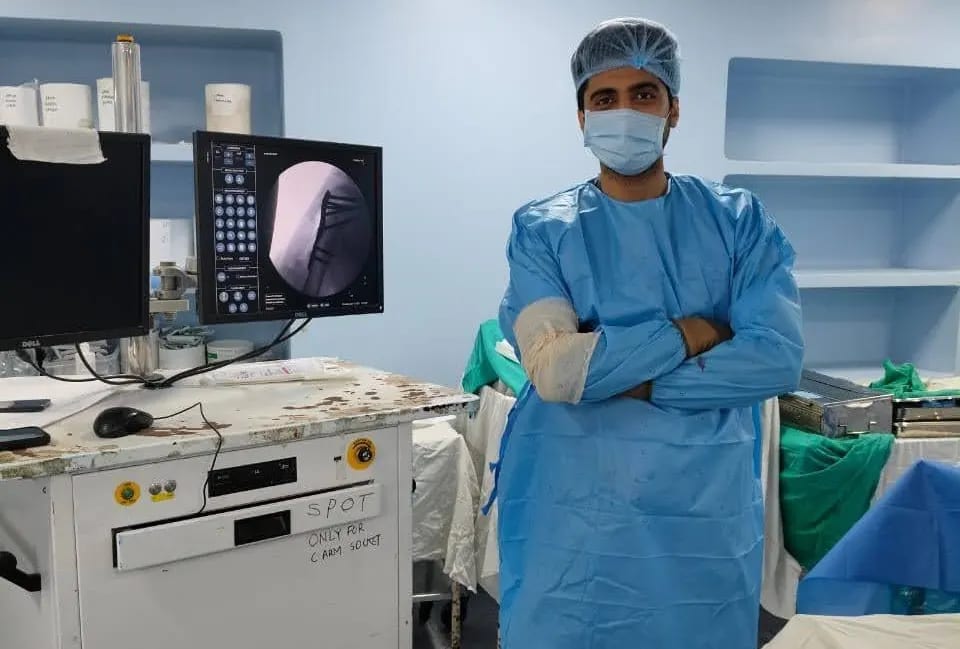
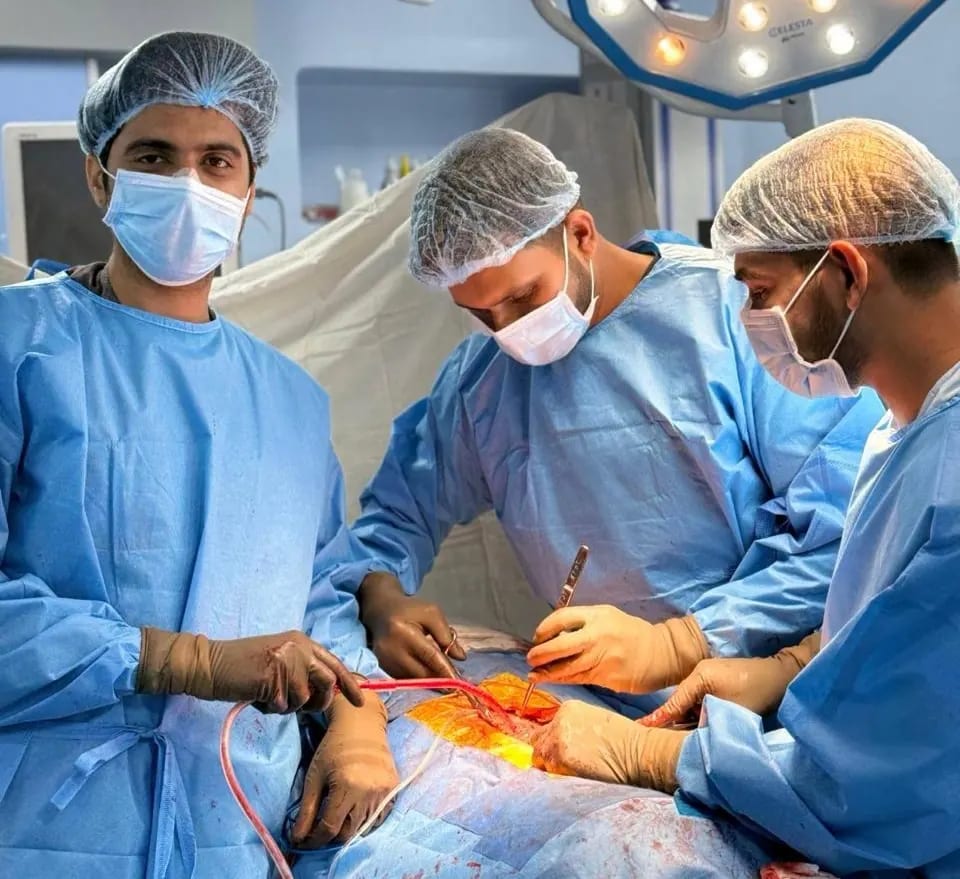
I trained in orthopaedics at KEM Hospital in Mumbai, one of the busiest trauma and reconstruction units in the country, where I finished second in my institution and seventh in the university. I then spent four fellowships learning the specific things I now do every week: arthroscopy of the knee and shoulder, ligament reconstruction, joint preservation surgery, and hip and knee replacement.
Alongside my practice I teach. I am an Assistant Professor, I run postgraduate courses and CME programmes, and I mentor surgical residents. Teaching keeps you honest — you cannot explain a decision to a room of trainees unless you genuinely understand why you made it.
Second opinion
A second opinion either confirms the plan — so you can go ahead with confidence — or it does not, which is exactly what you needed to know. Send your MRI and reports and we can review them, in person or over video.
Patient journeys
Including the patient who was advised surgery elsewhere and did not need it.
“I heard the pop while turning for a second run and thought it was just a bad twist. Two months later my knee gave way on a staircase. What I remember from the consultation is being shown my own MRI and being told exactly what would happen at three months and at nine — including that I would feel fine long before I was ready.”
Rohit P., 24 · Club cricketer
Surat · 14 months after treatment
Outcome. ACL reconstruction with a hamstring graft, alongside repair of a meniscus tear found during the operation. Cleared to bowl at eleven months after passing strength and hop testing.
“I had not slept a full night in nearly two years. I could not lie on that side and I could not reach the top shelf in my own shop. The six weeks in the sling were hard and I was warned they would be. But the night pain went within two weeks of the operation, and that alone was worth it.”
Ashok M., 58 · Textile business owner
Adajan · 9 months after treatment
Outcome. Arthroscopic repair of a full-thickness rotator cuff tear. Out of the sling at five weeks, overhead reach restored by four months, back to full work.
“Two doctors had told me a replacement was the only option, and that I would have to give up the farm work. Here I was shown standing X-rays and told the wear was only on the inner side, and that my bow legs were the reason. The eight weeks on crutches were long. But I am back on the land and I still have my own knee.”
Bhavesh D., 47 · Farmer
Bardoli · 22 months after treatment
Outcome. High tibial osteotomy correcting the alignment away from the worn inner compartment. Off crutches at eight weeks, back to full agricultural work by seven months, no restriction on physical labour.
Journal
Written to answer one real patient question each, in the words people actually use.
Your knee will feel ready at four months. It will not be ready. Here is what is happening inside the graft, and the tests that should decide your return instead of the calendar.
ReadMore knee operations are performed than are needed, and some that are needed happen too late. Here is how the decision is actually made — and the five questions that should decide it.
ReadIt is the symptom patients find most baffling and most exhausting — a shoulder that is bearable all day and unbearable at midnight. There is a straightforward mechanical reason.
ReadThe five questions worth asking before you agree to an operation.
A consultation means your imaging on the screen, a plain explanation of what is actually wrong, and an honest opinion on whether you need surgery — including when the answer is no.